Table Of Content
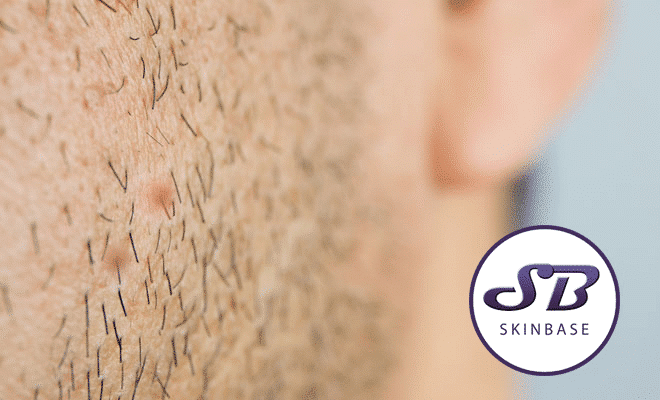
Razor burn, an uncomfortable skin irritation that can happen after you shave, may also cause small bumps and blisters in the genital area. An ingrown hair appears as a small red bump or group of bumps. These red bumps may look like a pimple or a small sore.
How to apply hair growth serums
If the infection becomes severe, a doctor may recommend antibiotics or other treatment. If you often develop infected ingrown hairs, the doctor may take a skin sample for testing. You may have a higher risk for ingrown hairs and related infections if your hair is naturally coarse or curly.
VIDEO: Man Extracts Ingrown Hair That Looks Like Blackhead - Business Insider
VIDEO: Man Extracts Ingrown Hair That Looks Like Blackhead.
Posted: Thu, 09 Nov 2017 08:00:00 GMT [source]
Ingrown Hairs (Pseudofolliculitis)
Preventing the spread of genital herpes involves practicing safe sex. This means using latex or polyurethane condoms consistently and correctly during sexual intercourse. It’s essential for individuals with herpes to communicate with their partners about their condition to ensure safe sexual practices [11]. You can try using some topical treatments—either over-the-counter or prescription from your provider—to help with healing. Natural antimicrobials like tea tree oil can also be helpful. Oral or topical antibiotics to both decrease inflammation and treat any skin infection.
Causes and Treatment of Ingrown Hairs
Ingrown hairs tend to show up as small, red, round bumps that look like pimples. Likewise, genital warts may disappear on their own in a few days or weeks. Some people experience frequent herpes outbreaks and others may only have a few every year. There’s no cure for herpes and there’s also no treatment to eliminate the sores once they appear.
Over-the-counter (OTC) medications containing benzoyl peroxide or retinoids can reduce inflammation and decrease the size of your razor bumps or ingrown hair cysts. When dealing with ingrown hairs, treatment often begins with home remedies. Individuals can take steps to alleviate discomfort and facilitate the natural healing process. This may include warm compresses to reduce inflammation, gentle exfoliation to release trapped hairs, and keeping the affected area clean to prevent infection.
You may be more likely to get ingrown hairs if you have coarse or curly hair. Applying shaving cream five to 10 minutes before shaving can make the hair softer. This may reduce the sharp hair tips that can become embedded as ingrown hairs. Applying a warm compress prior to shaving can provide these benefits as well.
Ingrown Hair Symptoms
People with coarse or curly hair are more likely to get an ingrown hair, however, it is a common problem for men and women of all ages and races. They may appear anywhere hair grows on your body, but they commonly appear in places where you shave, tweeze or wax, especially your face, legs, armpits and pubic area. A good skin care routine helps prevent ingrown hairs from forming, while at-home treatments can help release the hair from underneath your skin and provide relief. Contact your healthcare provider if you notice any signs of infection. If you notice an irritating, painful, or swollen bump on your skin after shaving, you likely have an ingrown hair. The easiest treatment for an ingrown hair is to wait it out and let the hair grow long enough so that it can loosen up from the skin.
They occur when shaved or removed hairs get trapped inside the skin, causing lesions that look like acne but are not actually acne. When new hair forms, if the hair follicle is closed up, hair can't grow out of the follicle and through the skin. However, it is important to note that improper shaving techniques and skin care practices can also contribute. Make sure you are shaving in the direction the hair is growing. Shaving against the grain can increase your chance of developing an ingrown hair since this can cause the sharp tip of the hair to retract into the skin. If you want to continue shaving, you should consider using a razor with a skin guard.
How to identify infected ingrown hair
An infected ingrown hair — also known as folliculitis — typically looks like a bump, a hard lump, or a cyst under the skin. This fundamental difference in their origin contributes to their distinct visual presentations. Potential risks of laser hair removal include temporary or permanent changes in skin pigmentation, blistering, and scarring. The risk of changes in skin pigmentation is higher for individuals with darker skin.
The infection can cause additional irritation and soreness. Your health care provider might recommend laser-assisted hair removal, which removes hair at a deeper level than does shaving, waxing, tweezing or electrolysis. Laser treatment slows regrowth and is a longer term solution. Possible side effects of this method are blistering, scarring and loss of skin color (dyspigmentation). Most instances of ingrown hair get better without treatment.
Ingrown hair cysts happen when a hair follicle gets blocked, and the hair grows into your skin instead of out. You should never pop an ingrown hair cyst because it can cause infection and scarring. The cysts may go away on their own, but if they hurt, look red, or ooze pus, see a healthcare provider for treatment. Furthermore, if symptoms worsen or persist over time, it’s an indication that medical attention is necessary. For ingrown hairs, persistent discomfort or signs of infection should prompt a visit to the doctor. In the case of genital herpes, recurrent or severe outbreaks, or the emergence of new or concerning symptoms, should also be evaluated by a healthcare professional.
They may happen after a person shaves, waxes, or tweezes the hair. However, keep in mind that an ingrown hair is a very common cause for bumps in your genital area. It will make an infection more likely and can lead to scarring. You may be able to get an idea of the type of ingrown hair cyst you're dealing with depending on where it is located on the body and what it looks like. A keloid is an abnormally hard and smooth scar that can spread beyond the original borders of the skin injury.
Home remedies can often treat ingrown hairs, even if the affected area becomes infected. Infections can occur if a person does not treat the hair or if they have a weakened immune system. To prevent scarring or infection, don’t pick at, scratch or pop your ingrown hairs. Ingrown hairs, including those on your butt, are often caused by shaving or waxing. Knowing how to remove the hair while keeping your pores open and healthy may help reduce the likelihood of a hair growing the wrong way. You’ll often get ingrown hairs around areas that you shave or wax.

If you want to shave, or remove hair in another way, there are things you can do to prevent ingrown hairs and help them get better quicker. This may be due to preference, cultural values, or work requirements. Whatever the reason may be for wanting or needing to shave, there are other ways to prevent ingrown hairs. Symptoms can start roughly one to two days after you shave or wax.
An ingrown hair can become infected and treatment may require topical or even oral antibiotics. If the ingrown hair is causing significant irritation or pain, you can apply a topical corticosteroid once or twice a day for three to four weeks to reduce the inflammation. If the bump is very inflamed and large in size, a healthcare provider may recommend a corticosteroid injection.
Shaving and waxing are the most common causes of ingrown hairs. At first, a person may notice a series of small bumps, which may be reddish and itchy. For individuals experiencing symptoms of genital herpes, a medical examination is indispensable.